Around the world, music venues have evolved beyond simple performance spaces—they have become cultural landmarks, travel inspirations, and essential pieces of a city's identity. Whether large and iconic or small and intimate, these spaces attract travelers seeking meaningful, immersive experiences tied to sound and culture.
One of the world’s most extraordinary live-music destinations is Red Rocks Amphitheatre in Colorado. Set between towering sandstone formations, the open-air venue combines natural acoustics with breathtaking scenery. For many music fans, attending a show here is not just entertainment—it’s a bucket-list experience.
In Reykjavík, the shimmering Harpa Concert Hall stands as a modern architectural marvel. Its geometric glass façade mirrors the surrounding mountains and ocean, making it both a performance venue and a major tourist attraction. Harpa’s programming blends classical, contemporary, and international acts, inviting travelers to explore Icelandic culture through sound and design.
Tokyo’s Blue Note Tokyo caters to a completely different kind of musical traveler—one seeking intimacy, world-class jazz, and meticulous Japanese hospitality. On the other side of the world, London’s atmospheric Union Chapel transforms each concert into a spiritual experience, blending Neo-Gothic architecture with remarkable acoustic warmth.
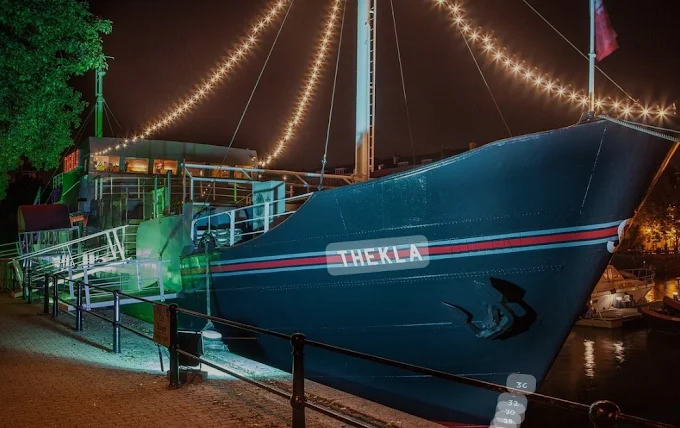
Few music venues in the world offer an experience as distinctive as Thekla, Bristol’s beloved floating club and live-music space. Moored in the city’s harbourside, Thekla began its life as a 1950s cargo ship before being transformed in the 1980s into one of the UK’s most characterful cultural venues. Its steel hull, nautical quirks, and intimate interior create a performance setting unlike anything on land.
Today, Thekla attracts both emerging artists and internationally recognised acts, offering a stage that feels simultaneously gritty, historic, and uniquely atmospheric. The venue’s layout brings audiences remarkably close to performers, making shows feel raw and immersive in a way only a ship-based venue can provide.
Beyond its live music programming, Thekla has become a symbolic part of Bristol’s creative identity. Surrounded by the city’s independent bars, street art, and waterfront culture, it stands as a reminder of Bristol’s deep-rooted connection to alternative art, underground music, and maritime heritage. For visitors, attending a gig aboard Thekla isn’t just a night out—it’s a quintessential Bristol experience, combining music, history, and place in one unforgettable setting.
Many venues act as cultural storytellers for their cities. In New Orleans, Preservation Hall preserves the heartbeat of traditional jazz, offering raw, intimate performances that transport visitors to the roots of the city’s musical heritage. In Johannesburg, Konka represents the pulse of modern South African nightlife and Afrobeats culture, drawing global travelers eager to experience contemporary African sound.
These venues do more than host concerts—they shape how visitors remember a place, offering insights into its history, spirit, and community values.
As cultural tourism grows, music venues increasingly influence the economies and reputations of their locations. Red Rocks attracts millions annually for concerts, fitness events, and sightseeing. Harpa has become a centerpiece of Reykjavík’s tourism growth, hosting festivals, conventions, and year-round performances.
Surrounding businesses—restaurants, cafés, boutiques, and creative studios—often thrive because of the steady flow of visitors drawn by these cultural hubs. In many cities, a music venue sparks wider urban development, becoming the anchor for a flourishing creative district.
Travelers today seek experiences that feel authentic, emotional, and memorable. Music venues offer exactly that—moments that resonate long after the trip ends. Whether dancing under open skies, listening to jazz in a lantern-lit Tokyo club, or feeling centuries of sound history in a Gothic church, these experiences create powerful personal memories.
As experiential travel continues to shape global tourism, music venues will become even more important in how destinations differentiate themselves. Those that embrace their unique architecture, heritage, or cultural energy will remain must-visit locations for travelers seeking connection and the transformative power of live music.
